
Guide to transitioning from Dentures to Dental Implants
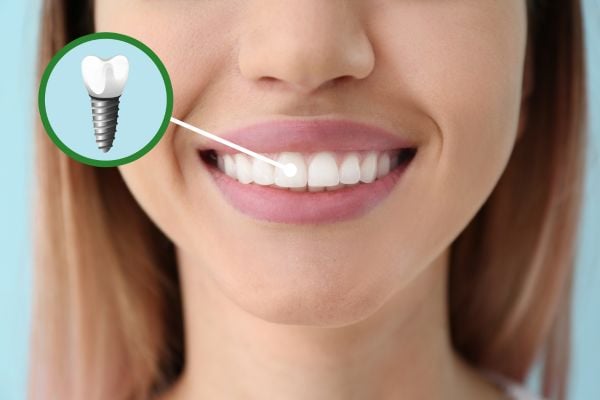 Transitioning from dentures to dental implants is a significant step that can greatly enhance your oral health, confidence, and quality of life. Dental implants provide a more permanent and natural-looking solution for replacing missing teeth. Here’s a comprehensive guide to help you navigate the transition process:
Step 1: Consultation and Assessment
Choose a Qualified Dental Professional: Start by consulting a qualified oral surgeon or oral surgeon who specializes in dental implant placement. They will assess your oral health, review your medical history, and discuss your goals and expectations.
Comprehensive Examination: Your oral surgeon will perform a thorough examination, which may include X-rays, scans, and impressions of your teeth and jaw. This will help determine your suitability for dental implants and create a personalized treatment plan.
Step 2: Treatment Planning
Customized Treatment Plan: Based on the examination results, your oral surgeon will develop a customized treatment plan outlining the number of implants needed, the type of restoration (crowns, bridges, or dentures), and the timeline for the procedure.
Bone Health Assessment: If you’ve been using dentures for a while, your jawbone density might have changed. In some cases, bone grafting may be recommended to ensure a strong foundation for the implants.
Step 3: Dental Implant Placement
Implant Surgery: The dental implant placement procedure involves surgically inserting the titanium implant posts into the jawbone. This is typically done under local anesthesia or sedation to ensure your comfort.
Healing Period (Osseointegration): After the implant placement, a healing period of a few months is necessary. During this time, the implants integrate with the jawbone, providing a stable base for the artificial teeth.
Step 4: Restoration and Adjustments
Abutment Placement: Once the implants have fully integrated, abutments (connectors) are placed on top of the implants. These will serve as attachment points for the prosthetic teeth.
Impressions: Impressions of your mouth are taken to create custom prosthetic teeth (crowns, bridges, or dentures) that will match your natural teeth in color, shape, and function.
Prosthetic Attachment: Your custom prosthetic teeth are securely attached to the abutments, completing your dental implant restoration.
Step 5: Adjusting to Dental Implants
Oral Care Routine: Maintain a rigorous oral hygiene routine, including brushing, flossing, and rinsing, to ensure the longevity of your dental implants. Your oral surgeon will provide specific instructions.
Diet and Nutrition: Enjoy a balanced diet while being mindful of hard or sticky foods that could put undue stress on the implants.
Step 6: Follow-Up Care
Regular Check-Ups: Schedule regular follow-up appointments with your oral surgeon to monitor the health of your dental implants and surrounding tissues.
Lifestyle Adaptations: Embrace your renewed ability to eat, speak, and smile confidently. Over time, you’ll adjust to the look and feel of your new dental implants.
Transitioning from dentures to dental implants is an investment in your oral health and well-being. With careful planning, expert guidance, and proper care, you can enjoy the benefits of a more permanent and functional tooth replacement solution.
Ready To Take The Next Step In Your Dental Health?
Contact Us at our offices in Hanford, Tulare, Porterville, Visalia, or Fresno CA
Visalia Office Phone Number (559) 732-7946 Request An Appointment Contact Us
Comments are closed.